
Inside the Making of a Documentary About Dying
On the making of the Clarehouse documentary
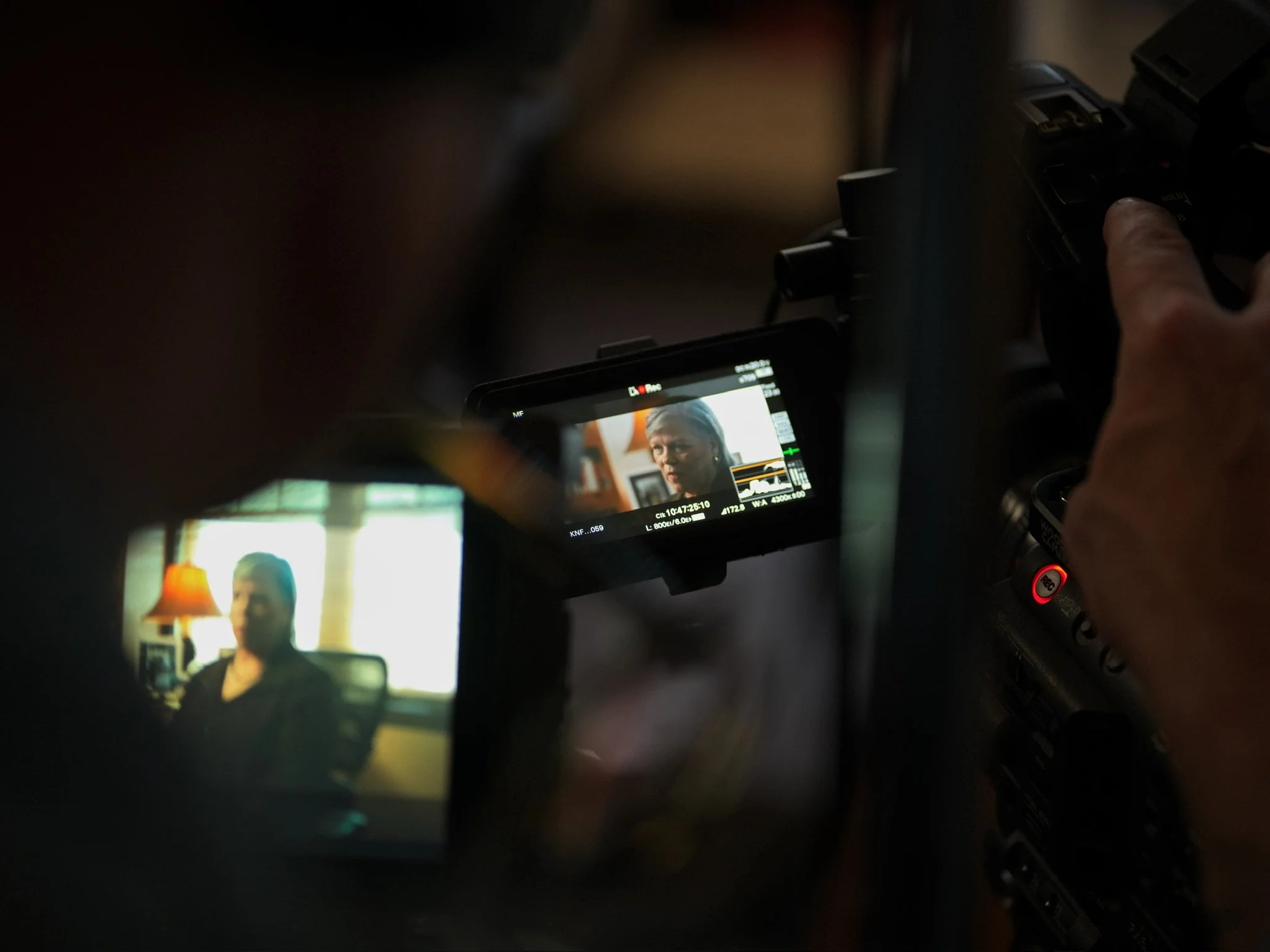
Behind the scenes filming at Clarehouse during pre-production
I did not go looking for this story. My producer and longtime collaborator Wendy Garrett brought it to me, and I am grateful she did. Once I sat down with Kelley, the founder and executive director of Clarehouse, and began to understand what she had built and why, I knew I was not going to walk away from it.
At a moment when love, empathy, and genuine care for others can feel like they are in short supply, Clarehouse felt like a quiet and powerful answer to something a lot of us have been feeling. I wanted to point the camera at it.
…
Clarehouse is a residential care home in Tulsa, Oklahoma built around what is called the social model of care. It operates through the Omega Home Network, an organization working to spread this model across the country.
What makes Clarehouse different from a traditional hospice begins with a fundamental shift in philosophy. Most end of life care in this country operates on a medical model, where clinical needs drive everything. The social model takes a different approach. It addresses what is increasingly a caregiver crisis by centering community participation and individualized support rather than institutional protocol. Families are not sidelined by the machinery of medical care. They are brought in. The burden is shared. And the result is something that looks a lot less like a facility and a lot more like a home.
It is care rooted in community, in love, and in the belief that how we treat each other at the end of life says something essential about who we are.
Families who bring a loved one to Clarehouse are not handing them over to an institution. They are joining a community. The harder logistical and medical burdens are lifted so that families can focus on what matters in the time that remains. Clarehouse allows people to be present. It allows families to ask the important questions. It treats death not as something to be managed from a distance but as a natural part of life that deserves to be met with dignity and warmth.
I think it can also demystify death in ways that our culture has largely failed to do.
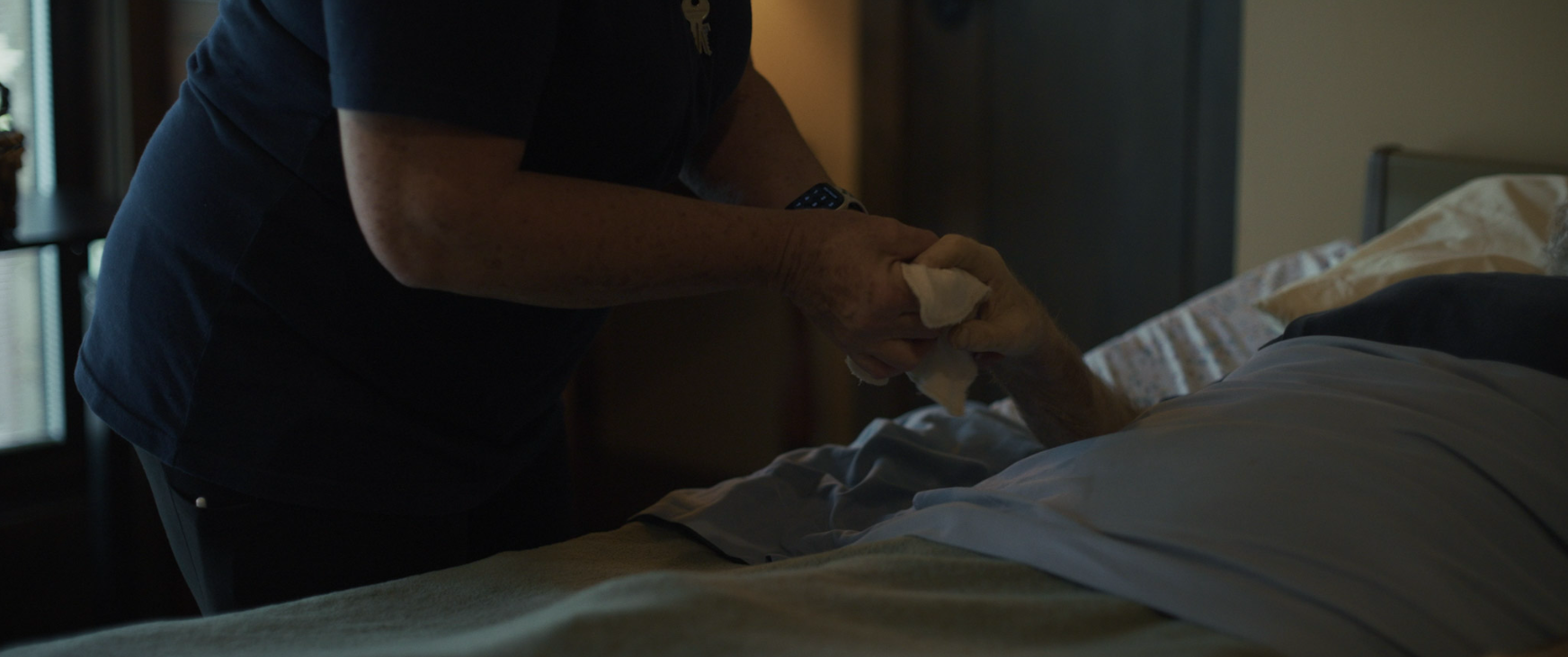
Production still from the Clarehouse documentary, Tulsa Oklahoma
Before we ever turned on a camera, I spent six months observing. Listening. Learning who the people were and what the story actually wanted to be. That process is non-negotiable for me. You cannot rush your way into understanding a place like Clarehouse. You have to earn it.
What I found were three people who, together, tell a story much larger than any one of them.
There is Kelley. She has dedicated her life to patient care and in doing so has helped create something that genuinely did not exist before in this form. A model of care that can be replicated, that can spread, that can reach communities all across this country. What is remarkable to watch right now is Kelley learning to trust that vision to others. To let it grow beyond her. There is something quietly profound about watching the person who built something from nothing begin the process of releasing it.
There is Tracy, who represents the caregiving staff in a way that stopped me in my tracks the first time I understood her story. Her path to caregiving is completely her own, deeply personal, and I think it will resonate with a lot of people who watch this film. She raises a question that I keep coming back to: who is actually getting more out of this care, the guest at the house or the caregiver?
And then there is Caitlin. She was so moved by the care her grandmother received at Clarehouse that she is now doing something extraordinary. She is building a home in her hometown of Rockwall, Texas. We are in the fortunate position of following her journey in real time, through all the complexity and uncertainty of what it takes to open a home like this. Caitlin is, in many ways, who Kelley was at the very beginning. Watching the two of them in the same frame is something.
…
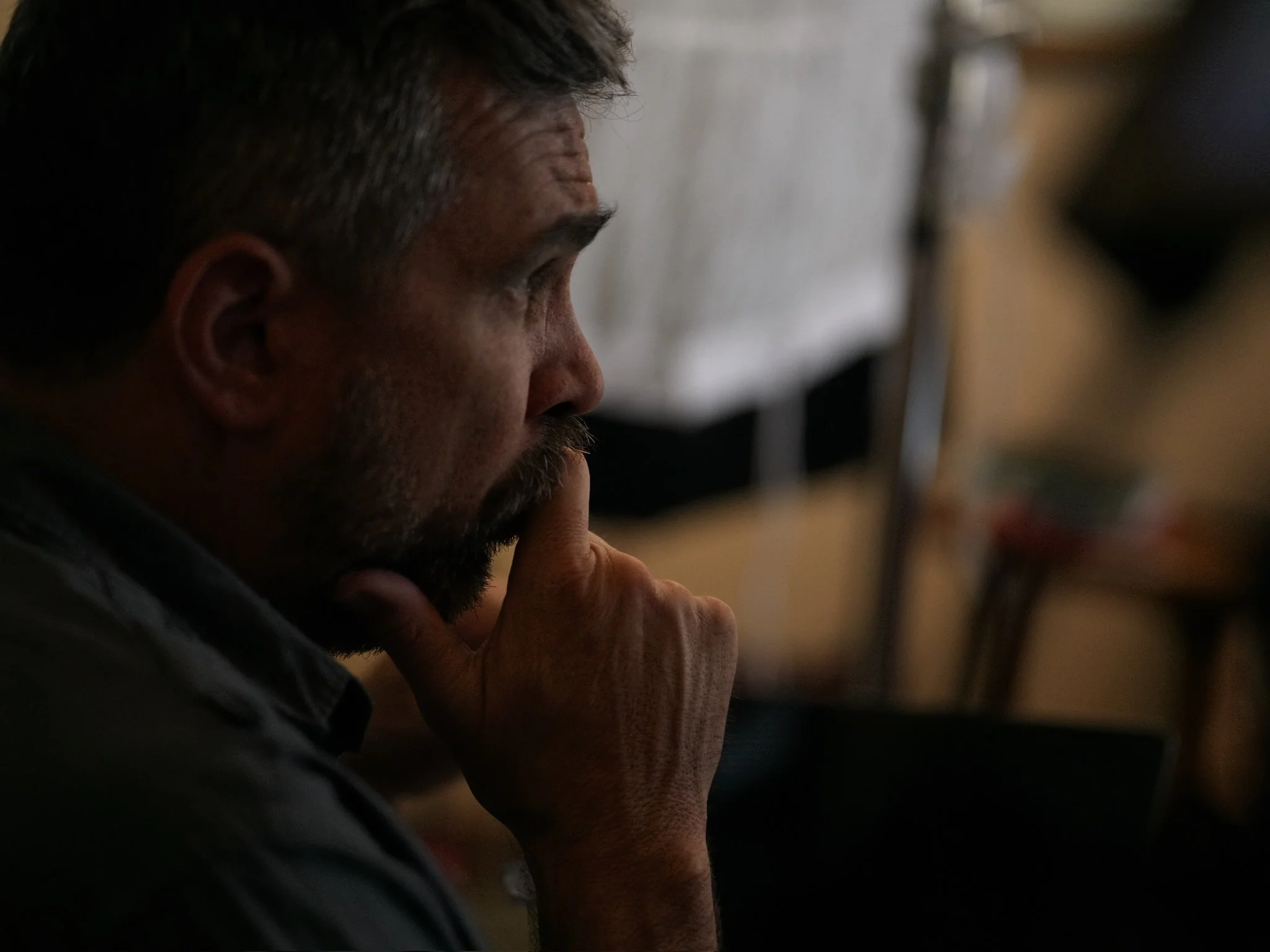
Director Christopher Hunt on location for the Clarehouse end of life care documentary
This is not just a film about one remarkable place in Tulsa, Oklahoma. It is a call to attention.
We are approaching what demographers call the silver tsunami. The baby boomer generation is aging, and the need for end of life care in this country is about to grow in ways we are not prepared for. The social model that Clarehouse and the Omega Home Network have built is one of the most hopeful responses to that reality I have encountered. More homes. Better education around death. Communities learning to rally around their own people.
That is what this film is reaching toward. Not just a portrait of a beautiful place, but an example of what becomes possible when we choose to love our neighbors.
I think that is a story worth telling right now.